


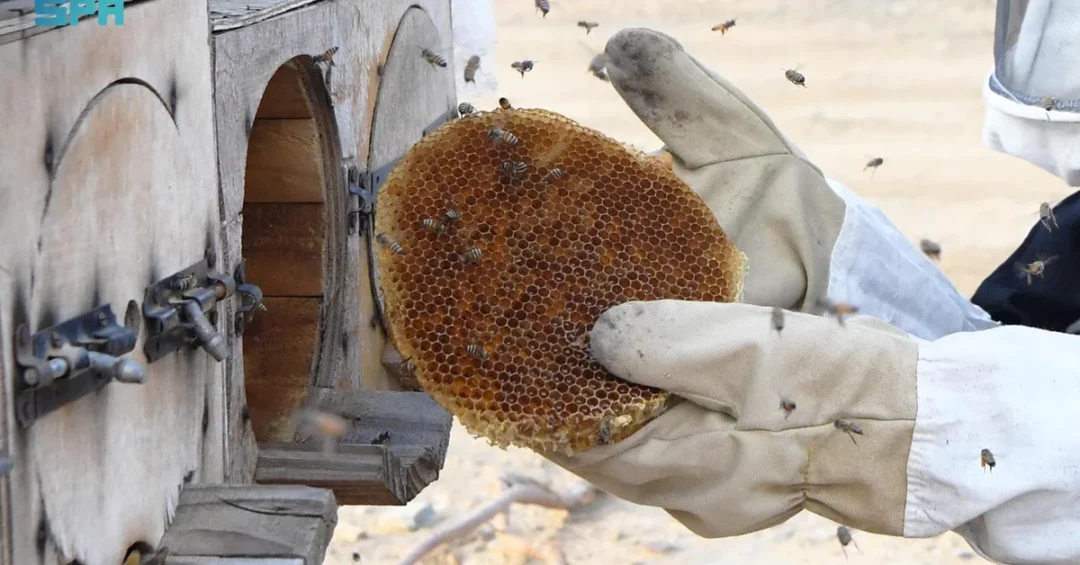
The Aseer region has solidified its position as Saudi Arabia’s leader in honey production, beekeeping, and agricultural holdings in 2024, according to a report released by the Ministry of Environment, Water, and Agriculture’s Aseer branch. The region contributed 20% of the Kingdom’s total honey production, supported by 5,000 registered beekeepers and 159 agricultural holdings. Additionally, Aseer’s vast forested areas, covering one million hectares, account for 37% of Saudi Arabia’s total forested land and host 70% of its vegetation diversity.
Context and Background
The Aseer region, located in the southwest of Saudi Arabia, has long been recognized for its fertile land and favorable climate, making it an agricultural hub. The Ministry of Environment, Water, and Agriculture has prioritized supporting the region’s agricultural sector through financial initiatives and partnerships. In 2024, the Aseer branch allocated significant funding to various agricultural projects, including SAR54 million for bee-related initiatives, SAR191 million for livestock, and SAR128 million for rural development.
Key Details
Eng. Ahmed Al-Majthal, manager of the Aseer branch, highlighted the region’s agricultural achievements, including 4.5 million livestock benefiting from financial support, 26,000 registered agricultural records, and a total cultivated area of 53,000 hectares. The region also boasts 29 cooperative societies, fostering collaboration among farmers and beekeepers. Over 18 initiatives were carried out in partnership with government and civil organizations, further strengthening the agricultural sector.
Implications and Impact
Aseer’s leadership in honey production and agriculture has significant implications for Saudi Arabia’s food security and economic diversification. The region’s success aligns with the Kingdom’s efforts to enhance self-sufficiency in key agricultural products and reduce dependency on imports. Furthermore, the growth of the beekeeping industry supports biodiversity and environmental sustainability, contributing to global conservation efforts.
Vision 2030 Alignment
The achievements of the Aseer region reflect Saudi Arabia’s progress toward Vision 2030 goals, particularly in sustainable agriculture and economic diversification. By investing in agricultural innovation and rural development, the Kingdom is fostering resilient communities and creating new economic opportunities. Aseer’s success serves as a model for other regions, showcasing the potential of Saudi Arabia’s agricultural sector to drive national growth and global engagement.
20 Questions
Q1. What percentage of Saudi Arabia’s honey production comes from Aseer?
A1. Aseer contributes 20% of the Kingdom’s total honey production.
Q2. How many registered beekeepers are there in Aseer?
A2. There are 5,000 registered beekeepers in the Aseer region.
Q3. How many agricultural holdings are in Aseer?
A3. Aseer has 159 agricultural holdings.
Q4. What percentage of Saudi Arabia’s forested land is in Aseer?
A4. Aseer accounts for 37% of the Kingdom’s total forested land.
Q5. What percentage of Saudi Arabia’s vegetation diversity is in Aseer?
A5. Aseer hosts 70% of the Kingdom’s vegetation diversity.
Q6. How much financial support was allocated to bee-related initiatives in Aseer?
A6. SAR54 million was allocated to bee-related initiatives in 2024.
Q7. How much funding was provided for livestock projects in Aseer?
A7. SAR191 million was provided for livestock projects in 2024.
Q8. How much funding was allocated to rural development in Aseer?
A8. SAR128 million was allocated to rural development in 2024.
Q9. How many livestock benefited from financial support in Aseer?
A9. Over 4.5 million livestock benefited from financial support.
Q10. How many registered agricultural records are in Aseer?
A10. There are 26,000 registered agricultural records in Aseer.
Q11. What is the total cultivated area in Aseer?
A11. The total cultivated area in Aseer is 53,000 hectares.
Q12. How many cooperative societies are in Aseer?
A12. There are 29 cooperative societies in Aseer.
Q13. How many initiatives were carried out in Aseer in 2024?
A13. Over 18 initiatives were carried out in partnership with government and civil organizations.
Q14. What is the role of Eng. Ahmed Al-Majthal?
A14. Eng. Ahmed Al-Majthal is the manager of the Aseer branch of the Ministry of Environment, Water, and Agriculture.
Q15. How does Aseer’s success impact Saudi Arabia’s food security?
A15. Aseer’s agricultural growth enhances Saudi Arabia’s self-sufficiency in key products, reducing dependency on imports.
Q16. How does Aseer’s beekeeping industry support biodiversity?
A16. The beekeeping industry promotes pollination and environmental sustainability, supporting biodiversity.
Q17. How does Aseer’s agricultural sector align with Vision 2030?
A17. Aseer’s agricultural growth aligns with Vision 2030 goals of economic diversification and sustainable development.
Q18. What makes Aseer suitable for agriculture?
A18. Aseer’s fertile land and favorable climate make it an ideal region for agriculture.
Q19. How does Aseer’s success serve as a model for other regions?
A19. Aseer’s achievements demonstrate the potential of Saudi Arabia’s agricultural sector to drive national growth and sustainability.
Q20. What is the significance of Aseer’s forested areas?
A20. Aseer’s forested areas play a crucial role in preserving biodiversity and supporting environmental sustainability.
Reader Feedback
We value your thoughts. Please share your feedback on this article.
Your feedback helps us improve our coverage.