


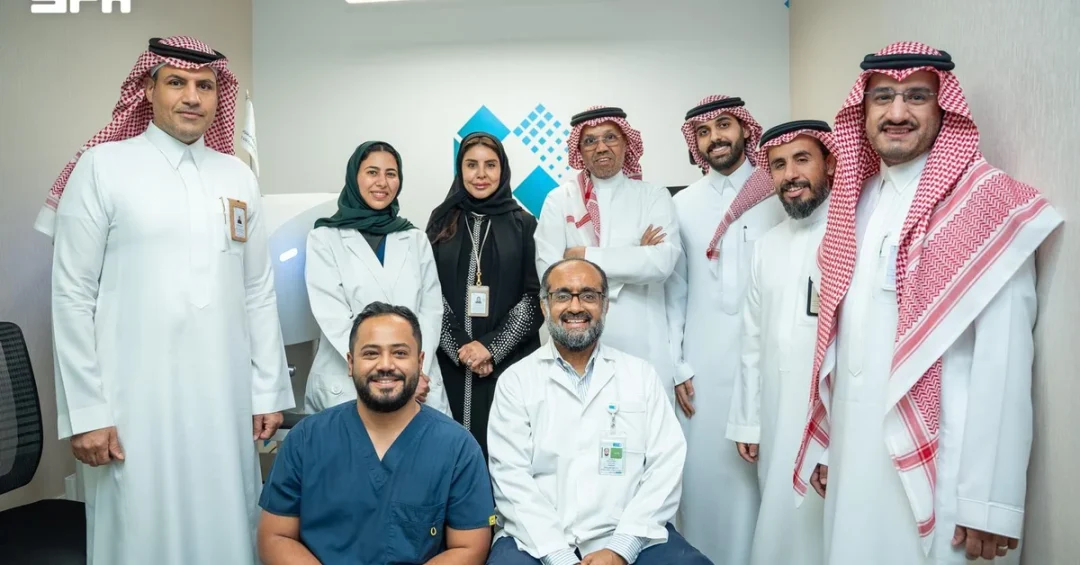
King Saud University Medical City (KSUMC) has launched the Saudi Telesurgery program in partnership with Seha Virtual Hospital, Zain KSA, and EDGE, a company specializing in robotic devices and solutions, marking a significant leap forward in the Kingdom’s healthcare digital transformation. The announcement, released via the Saudi Press Agency (SPA) on August 10, 2026, confirms that the first phase of the program involved seven surgical procedures performed over three days, covering specialties such as bariatric, general, obstetric and gynecologic, and thoracic surgery. The initiative represents a pioneering step in integrating advanced robotics and telecommunications to deliver specialized surgical care remotely, aligning with Saudi Vision 2030’s healthcare objectives. The program’s launch underscores the Kingdom’s commitment to leveraging modern medical technologies and building an innovative, sustainable healthcare system that can serve patients across vast and diverse geographies.
Why does this development matter now, at a time when global healthcare systems are increasingly turning to digital solutions to bridge gaps in access and expertise? For Saudi Arabia, the answer lies in its unique combination of challenges and ambitions. The Kingdom’s vast territory, growing population, and the annual influx of millions of pilgrims for Hajj and Umrah create a complex healthcare landscape that demands innovative approaches. Telesurgery, which enables surgeons to perform operations on patients in remote locations using robotic systems and high-speed networks, offers a powerful tool to extend the reach of specialized medical expertise. The partnership between KSUMC, Seha Virtual Hospital, Zain KSA, and EDGE brings together clinical excellence, virtual care infrastructure, telecommunications prowess, and advanced robotics, creating a comprehensive ecosystem for remote surgical care. This collaboration not only enhances patient outcomes but also positions Saudi Arabia as a regional leader in medical technology innovation.
Context and Background
How did Saudi Arabia arrive at this moment of technological breakthrough in surgery? The answer lies in years of strategic investment in healthcare infrastructure and digital transformation. King Saud University Medical City, one of the Kingdom’s premier academic medical centers, has long been at the forefront of medical education, research, and patient care. Seha Virtual Hospital, launched as part of the Ministry of Health’s transformation efforts, is the world’s largest virtual hospital, providing telemedicine services across the country. Zain KSA, a leading telecommunications operator, offers the robust 5G network essential for real-time data transmission during telesurgery. EDGE, a company specializing in robotic devices and solutions, contributes cutting-edge surgical robotics. Together, these entities form a synergy that is uniquely positioned to advance telesurgery in Saudi Arabia.
The concept of telesurgery is not entirely new, but its practical application has historically been limited by latency issues, bandwidth constraints, and regulatory hurdles. However, recent advancements in 5G technology, robotic precision, and secure data transmission have made remote surgery increasingly viable. Saudi Arabia’s early adoption of 5G networks and its commitment to digital health infrastructure have created a fertile environment for telesurgery to flourish. The Saudi Telesurgery program aims to develop a national protocol for telesurgery, involving medical, technical, and digital expertise, which will standardize practices and ensure safety and efficacy. This protocol will be crucial for scaling the program beyond initial trials to routine clinical use.
Moreover, the program’s launch is timely, as the Kingdom prepares for major events such as Expo 2030 and continues to host the annual Hajj pilgrimage, which draws over two million Muslims from around the world. During such mass gatherings, the demand for specialized surgical care can spike, and telesurgery can provide a rapid response capability, allowing expert surgeons to operate remotely without being physically present. This not only saves lives but also optimizes resource allocation. The program’s focus on humanitarian and emergency cases further highlights its potential to serve vulnerable populations in remote areas, both within Saudi Arabia and beyond.
Key Details of the Telesurgery Program
What exactly does the first phase of the Saudi Telesurgery program entail, and what surgical procedures were performed? According to the Saudi Press Agency, the first phase involved seven surgical procedures conducted over three days. The first day alone featured four consecutive surgical cases across different specialties, each presenting complex challenges. These procedures demonstrated the advanced capabilities of telesurgery technologies, with surgeons operating remotely using robotic systems. The specialties covered included bariatric surgery, which addresses obesity; general surgery, which encompasses a wide range of abdominal and other procedures; obstetric and gynecologic surgery, focusing on women’s health; and thoracic surgery, dealing with organs inside the chest. The successful completion of these procedures is a testament to the precision and reliability of the technology, as well as the skill of the surgical teams involved.
The program is not limited to a specific number of procedures; rather, it aims to develop a comprehensive Saudi national protocol for telesurgery. This protocol will be developed with the participation of medical, technical, and digital expertise, ensuring that it meets the highest standards of patient safety and clinical effectiveness. The protocol will likely address issues such as surgeon credentialing, patient consent, data security, network reliability, and emergency protocols. By establishing a national protocol, Saudi Arabia can ensure consistency and quality across all telesurgery operations, whether they are performed in urban centers or remote villages. This systematic approach is essential for building trust among patients and healthcare providers alike.
Furthermore, the program will open new opportunities to use telesurgery technologies during major seasons and gatherings, including the Hajj season. During Hajj, millions of pilgrims converge on Mecca, and the healthcare system must be prepared to handle a wide range of medical emergencies, including surgical cases. Telesurgery can enable expert surgeons to provide consultations and even perform surgeries remotely, reducing the need for travel and allowing for faster intervention. Additionally, the program will support humanitarian and emergency cases requiring access to specialized medical and surgical expertise in difficult-to-reach locations. This could include remote areas within Saudi Arabia, as well as international humanitarian missions where Saudi Arabia can extend its medical expertise to those in need.
International and Regional Impact
How will Saudi Arabia’s foray into telesurgery influence the broader Middle East and beyond? The Kingdom’s leadership in this field is likely to set a precedent for other nations in the region, many of which face similar challenges in healthcare access and distribution. By demonstrating the feasibility and benefits of telesurgery, Saudi Arabia can encourage neighboring countries to adopt similar technologies, fostering regional cooperation in healthcare innovation. This aligns with Saudi Arabia’s Vision 2030 goal of becoming a global hub for medical tourism and healthcare excellence. Patients from around the world may seek treatment in Saudi Arabia, knowing that they can access cutting-edge surgical care, including telesurgery, which combines the expertise of top surgeons with the convenience of remote access.
On the international stage, the Saudi Telesurgery program positions the Kingdom as a pioneer in the application of 5G and robotics in healthcare. This could lead to partnerships with international technology companies and research institutions, further accelerating innovation. For instance, EDGE, the robotics partner, may collaborate with global leaders in surgical robotics to enhance the capabilities of telesurgery systems. Additionally, the program’s success could contribute to the global body of knowledge on telesurgery, with Saudi surgeons and researchers publishing their findings and sharing best practices. This knowledge exchange is vital for the continued advancement of telemedicine worldwide. Moreover, the program’s focus on humanitarian applications resonates with Saudi Arabia’s longstanding commitment to global humanitarian aid, showcasing the Kingdom’s role as a responsible global citizen.
Economic and Strategic Significance
What are the economic and strategic benefits of investing in telesurgery for Saudi Arabia? From an economic perspective, telesurgery can lead to cost savings by reducing the need for patient transfers and optimizing the use of surgical resources. When a specialist can operate remotely, hospitals in remote areas can offer advanced surgical care without having to recruit and retain highly specialized surgeons on-site. This can be particularly beneficial for smaller hospitals that may not have the patient volume to justify a full-time specialist. Additionally, telesurgery can reduce travel costs for patients and their families, who might otherwise have to travel to major cities for surgery. These savings can be redirected to other areas of healthcare, improving overall system efficiency.
Strategically, the program enhances Saudi Arabia’s healthcare resilience and self-sufficiency. By developing a national protocol and building local expertise, the Kingdom reduces its dependence on foreign surgical expertise, which can be critical during global crises such as pandemics. Furthermore, telesurgery aligns with the goals of the Health Sector Transformation Program, a key initiative under Vision 2030, which aims to restructure the healthcare sector to be more efficient, equitable, and patient-centered. The program also supports the National Strategy for Data and AI, as it relies on secure data transmission and artificial intelligence for surgical planning and execution. By integrating these advanced technologies, Saudi Arabia is not only improving healthcare but also building a knowledge-based economy.
Vision 2030 Alignment
How does the Saudi Telesurgery program specifically support the objectives of Saudi Vision 2030? Vision 2030, launched in 2016 by Crown Prince Mohammed bin Salman, sets out a comprehensive plan to diversify the economy, modernize society, and enhance the quality of life for all citizens. In the healthcare sector, Vision 2030 aims to improve access to care, increase privatization, and leverage digital technologies. The telesurgery program directly contributes to these goals by advancing digital transformation in healthcare, improving access to specialized care, and fostering innovation. It also supports the development of a skilled workforce, as medical professionals will need training in telesurgery techniques and related technologies. By investing in such programs, Saudi Arabia is building a sustainable healthcare system that can meet the needs of its growing population and serve as a model for the region.
In conclusion, the launch of the Saudi Telesurgery program by King Saud University Medical City, Seha Virtual Hospital, Zain KSA, and EDGE is a landmark achievement that underscores the Kingdom’s commitment to healthcare innovation and its Vision 2030 aspirations. As the program develops a national protocol and expands its applications, it will undoubtedly save lives, improve patient outcomes, and cement Saudi Arabia’s position as a global leader in medical technology. The coming years will likely see further breakthroughs, as telesurgery becomes an integral part of the Kingdom’s healthcare landscape, benefiting citizens, residents, and pilgrims alike. With each successful procedure, Saudi Arabia moves closer to realizing its vision of a world-class, sustainable healthcare system that leaves no one behind.
20 Questions
Q1. What is the Saudi Telesurgery program?
A1. The Saudi Telesurgery program is a national initiative launched by King Saud University Medical City in partnership with Seha Virtual Hospital, Zain KSA, and EDGE to develop and implement remote surgical capabilities across the Kingdom.
Q2. Who are the partners involved in the program?
A2. The partners are King Saud University Medical City, Seha Virtual Hospital, Zain KSA (a telecommunications company), and EDGE (a robotics solutions provider).
Q3. When was the program launched?
A3. The program was announced on August 10, 2026, via the Saudi Press Agency.
Q4. How many surgical procedures were performed in the first phase?
A4. Seven surgical procedures were performed over three days during the first phase.
Q5. What surgical specialties were covered?
A5. The procedures covered bariatric, general, obstetric and gynecologic, and thoracic surgery.
Q6. How many cases were performed on the first day?
A6. Four consecutive surgical cases were performed on the first day, each involving complex challenges.
Q7. What is the main goal of the program?
A7. The main goal is to develop a Saudi national protocol for telesurgery with the participation of medical, technical, and digital expertise.
Q8. Will the program be limited to a specific number of procedures?
A8. No, the program is not limited to a specific number; it aims to establish a sustainable protocol and expand applications.
Q9. How does telesurgery work?
A9. Telesurgery uses robotic systems and high-speed networks to allow surgeons to perform operations on patients in remote locations.
Q10. What role does Zain KSA play?
A10. Zain KSA provides the robust 5G network essential for real-time data transmission during telesurgery.
Q11. What is EDGE’s contribution?
A11. EDGE contributes advanced robotic devices and solutions for telesurgery.
Q12. How does the program support Hajj?
A12. It opens opportunities to use telesurgery during Hajj to provide specialized surgical expertise in difficult-to-reach locations.
Q13. What are the humanitarian applications?
A13. The program can support emergency and humanitarian cases requiring access to specialized surgical expertise in remote areas.
Q14. How does the program align with Vision 2030?
A14. It supports Vision 2030 objectives to develop the healthcare sector, advance digital transformation, and build an innovative healthcare system.
Q15. What is Seha Virtual Hospital?
A15. Seha Virtual Hospital is the world’s largest virtual hospital, providing telemedicine services across Saudi Arabia.
Q16. What is King Saud University Medical City?
A16. KSUMC is a premier academic medical center in Riyadh, affiliated with King Saud University.
Q17. What are the economic benefits of telesurgery?
A17. It can reduce costs by minimizing patient transfers, optimizing surgical resources, and reducing travel expenses for patients.
Q18. How does telesurgery improve access to care?
A18. It allows patients in remote areas to receive specialized surgical care without traveling to major cities.
Q19. What is the significance of a national protocol?
A19. A national protocol ensures standardized, safe, and effective telesurgery practices across the Kingdom.
Q20. What does the future hold for telesurgery in Saudi Arabia?
A20. The future likely includes expanded applications, international partnerships, and positioning Saudi Arabia as a global leader in medical technology.
Reader Feedback
We value your thoughts. Please share your feedback on this article.
Your feedback helps us improve our coverage.
Related articles
 Saudi Alzheimer’s Association Wins Global Ageing Award
 Saudi Arabia Launches Remote Robotic Surgery Program
 Sultan Bin Abdulaziz City Delivers 83,142 Therapy Sessions in Q2 2026
 Seha Virtual Hospital Performs 11 Remote Robotic Surgeries
 Saudi Hospital Performs 11 Remote Robotic Surgeries in Global First
 صحي / مدينة سلطان بن عبدالعزيز للخدمات الإنسانية تقدم أكثر من 83 ألف جلسة علاجية خلال الربع الثاني من 2026