


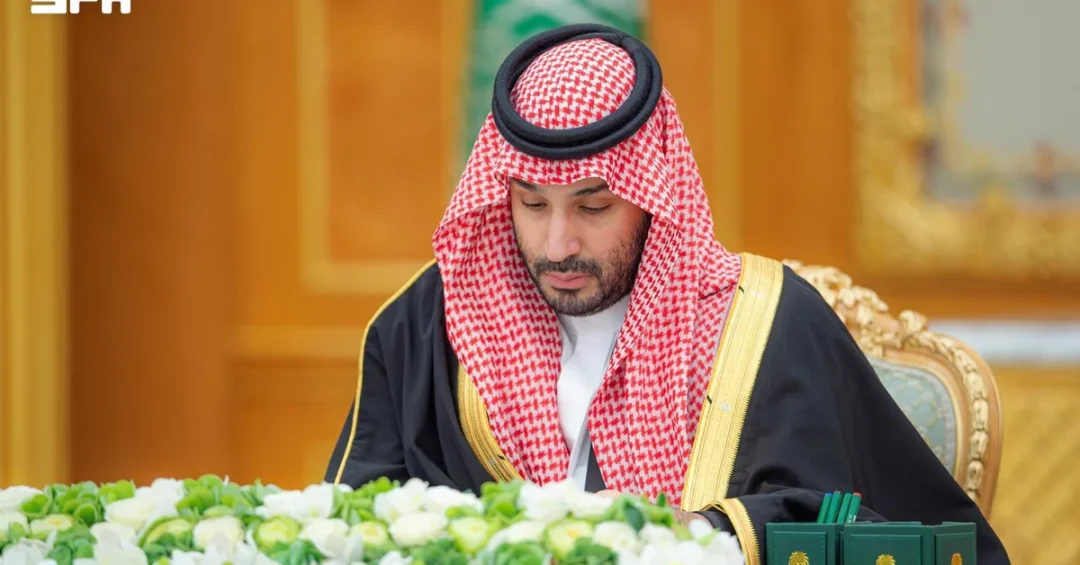
His Royal Highness Prince Mohammed bin Salman bin Abdulaziz Al Saud, Crown Prince, Prime Minister, and Chairman of the Council of Economic and Development Affairs, affirmed on November 24, 2026, that the newly approved 2027 State Budget places the nation’s advancement and the interests of its citizens at the forefront of government priorities. The budget, for fiscal year 1448/1449 AH, reflects a long-term financial strategy that balances sustainable growth, development priorities, and public finance sustainability, as announced by the Saudi Press Agency.
How does a budget transform a nation’s ambitions into tangible progress? Under the directives of Custodian of the Two Holy Mosques King Salman bin Abdulaziz Al Saud, the 2027 budget embodies a commitment to preserving development gains for current and future generations. HRH the Crown Prince noted that the achievements realized thus far result from royal guidance and the dedicated efforts of Saudi citizens. The budget not only funds programs but also reinforces Saudi Arabia’s active role in the global economy, demonstrating resilience amid geopolitical shifts and underscoring the Kingdom’s capacity to adapt through flexible fiscal policies.
Context and Background
What foundations have enabled Saudi Arabia to reach this pivotal moment? The 2027 budget is the latest milestone in a journey of economic transformation that began with the launch of Saudi Vision 2030 in 2016. During its first two phases, the Kingdom implemented sweeping reforms that diversified the economy, expanded the private sector, and improved the business environment. Now, in the third phase, the focus shifts to maximizing the Vision’s impact on people’s lives and converting achievements into sustainable economic strength.
HRH the Crown Prince emphasized that this phase builds upon prior accomplishments, stating, “We are maximizing the impact of the Vision on people’s lives, transforming its achievements into a sustainable strength for our economy and renewed opportunities for future generations.” The budget for 2027 is part of a long-term financial plan that balances supporting sustainable growth, implementing development priorities, and strengthening public finance sustainability. It maintains flexibility in resource allocation and continues funding for programs and projects with economic and social impact. This approach ensures that Saudi Arabia remains on track to achieve its ambitious goals while navigating global economic uncertainties.
Key to this strategy is the enhancement of the social support and protection system. By directing spending to those most in need and raising living standards and quality of life, the government reaffirms its commitment to inclusive growth. Simultaneously, continued investment in infrastructure, essential services, and transport and logistics networks aims to strengthen regional connectivity, enhance investment appeal, improve goods movement efficiency, and bolster economic resilience against global supply chain shifts.
Key Details of the 2027 Budget
What specific measures does the 2027 budget introduce to drive progress? HRH the Crown Prince underscored the importance of increasing spending efficiency, measuring outcomes, and aligning resource allocation with national strategies. Government entities are tasked with ensuring high-quality monitoring, execution, and transparency, as well as achieving targeted project outcomes that support medium- and long-term development. This results-oriented approach is designed to maximize returns from government assets and investments.
Economic reforms and policies supporting economic activity have broadened the economic base and enhanced competitiveness. Estimates for 2026 indicate a 2.5% growth in real GDP from non-oil activities, reflecting significant progress in economic diversification plans. This growth is a testament to the success of initiatives aimed at reducing dependence on oil revenues and fostering a dynamic, knowledge-based economy. The budget builds on this momentum by continuing to support sectors with high potential for job creation and innovation.
The financial sector’s growth, underpinned by strong regulatory frameworks, supports economic financing and private sector expansion. Maintaining the strength of Saudi Arabia’s financial position facilitates access to financial markets and diversifies funding sources while keeping public debt at sustainable levels and maintaining substantial government reserves. These reserves are crucial for navigating changes and sustaining development, providing a buffer against external shocks and ensuring long-term fiscal health.
HRH the Crown Prince commended the private sector’s role in driving economic growth amid ongoing regulatory and structural reforms. These reforms aim to develop the business environment, enhance investment stability and attractiveness for local and international investors, expand investment opportunities, and increase the private sector’s economic contribution. Special attention is given to supporting small- and medium-sized enterprises (SMEs), local content development, non-oil exports, and job creation, all of which are vital for a diversified economy.
The Role of PIF and National Development Fund
How do Saudi Arabia’s sovereign funds amplify the budget’s impact? The Public Investment Fund (PIF) continues to develop strategic and promising sectors aligned with development priorities and economic diversification. By strengthening partnerships with the private sector and supporting SMEs through investments that localize knowledge, develop national talent, enhance local content in the fund’s operations, and expand investment opportunities in domestic and global markets, PIF acts as a catalyst for innovation and growth.
Complementing this role, the National Development Fund, through its affiliated development funds and banks, continues to enhance financing efficiency, direct funding toward national priorities, expand financing opportunities for development sectors and projects, and incentivize private sector participation. This coordinated approach supports the budget and maximizes the developmental impact of available resources, ensuring that funding reaches areas with the greatest potential for transformative change.
Together, these institutions exemplify Saudi Arabia’s strategy of leveraging state resources to stimulate private sector activity and drive sustainable development. Their efforts align with Vision 2030’s goal of creating a thriving economy that offers opportunities for all citizens and residents.
International and Regional Impact
How does Saudi Arabia’s fiscal strength translate into global influence? HRH the Crown Prince stressed that the Kingdom has demonstrated its capability and standing as a sustainable and reliable global supplier in securing world energy supplies. This is backed by strategic investments in energy and logistics infrastructure to ensure the flow of oil and non-oil exports by utilizing the East-West Pipeline and ports along the western coast. Such infrastructure is critical for maintaining global energy security and supporting international trade.
He reaffirmed the Kingdom’s commitment to continued cooperation with producing countries, expanding economic partnerships, and contributing to efforts supporting regional and global development and stability. This aligns with Saudi Arabia’s international standing and responsibility. The 2027 budget reinforces these commitments by ensuring that the Kingdom remains a pivotal player in global energy markets and a bridge between continents.
Current geopolitical developments have demonstrated the resilience of the Saudi economy and its high capacity to adapt to changing circumstances through flexible fiscal policies and effective coordination among entities. The Kingdom closely monitors all regional and global developments, including uncertainty in the global economy, and stresses that national security and stability are the foundation for preserving development achievements. HRH the Crown Prince expressed pride in the officers and personnel of the armed forces and security sectors, including those stationed along the nation’s borders, for their efforts and sacrifices in defending the Kingdom and its assets.
Economic and Strategic Significance
What makes the 2027 budget a cornerstone of Saudi Arabia’s economic strategy? The budget’s emphasis on spending efficiency, outcome measurement, and alignment with national strategies ensures that every riyal is directed toward achieving maximum impact. This disciplined approach is essential for maintaining fiscal sustainability while pursuing ambitious development goals. By prioritizing high-return projects and programs, the government aims to stimulate economic growth, create jobs, and enhance the quality of life for all citizens.
Moreover, the budget’s support for the private sector, SMEs, and non-oil exports is crucial for diversifying the economy away from oil dependence. The 2.5% growth in non-oil real GDP in 2026 underscores the success of these efforts. As the private sector expands, it will create new opportunities for Saudi citizens, particularly the youth, who are the driving force behind the Kingdom’s future. The budget also invests in human capital through education and training, ensuring that Saudis are equipped with the skills needed for the jobs of tomorrow.
The strategic investments in infrastructure and logistics not only improve domestic connectivity but also position Saudi Arabia as a global logistics hub. The East-West Pipeline and western coast ports are vital for ensuring the uninterrupted flow of exports, even in the face of regional challenges. This infrastructure enhances the Kingdom’s attractiveness as an investment destination and supports its goal of becoming a bridge between Asia, Europe, and Africa.
Vision 2030 Alignment
How does the 2027 budget embody the spirit of Vision 2030? The budget directly supports the Vision’s three pillars: a vibrant society, a thriving economy, and an ambitious nation. By enhancing social support systems, raising living standards, and investing in infrastructure and essential services, the budget fosters a vibrant society where all citizens can thrive. The focus on economic diversification, private sector growth, and SME support drives a thriving economy that creates opportunities and ensures prosperity.
Furthermore, the budget’s commitment to fiscal sustainability, transparency, and efficiency reflects the ambitious nation pillar, which seeks to build a government that is effective, accountable, and responsive to the needs of its people. HRH the Crown Prince’s statement that the Kingdom continues to expand opportunities for its citizens, safeguard its stability, security, and sovereignty, and reinforce its active role in the global economy underscores the enduring vision of Saudi Arabia’s leadership. As the third phase of Vision 2030 unfolds, the 2027 budget serves as a testament to the Kingdom’s unwavering dedication to transforming achievements into sustainable economic strength for generations to come.
20 Questions
Q1. What is the 2027 State Budget?
A1. The 2027 State Budget is Saudi Arabia’s fiscal plan for the year 1448/1449 AH, approved on November 24, 2026. It focuses on sustainable growth, development priorities, and public finance sustainability, as announced by HRH Crown Prince Mohammed bin Salman.
Q2. Who approved the 2027 budget?
A2. The budget was approved by the Saudi government under the leadership of Custodian of the Two Holy Mosques King Salman bin Abdulaziz Al Saud, with HRH Crown Prince Mohammed bin Salman emphasizing its alignment with national priorities.
Q3. What is the main goal of the 2027 budget?
A3. The main goal is to maximize the impact of Saudi Vision 2030 on people’s lives, transform achievements into sustainable economic strength, and ensure prosperity for current and future generations through balanced fiscal policies.
Q4. How does the 2027 budget support Vision 2030?
A4. It funds programs that diversify the economy, enhance social support, invest in infrastructure, and boost private sector growth. These align with Vision 2030’s pillars of a vibrant society, thriving economy, and ambitious nation.
Q5. What is the third phase of Vision 2030?
A5. The third phase builds on reforms from the first two phases, focusing on maximizing the Vision’s impact on daily life and converting achievements into sustainable economic strength and opportunities for future generations.
Q6. How does the budget address social support?
A6. It enhances the social support and protection system by directing spending to those most in need, raising living standards, and improving quality of life, ensuring inclusive growth across Saudi society.
Q7. What role does the private sector play in the 2027 budget?
A7. The private sector is a key driver of economic growth. The budget supports it through regulatory reforms, investment stability, and initiatives for SMEs, local content, and non-oil exports, aiming to increase its economic contribution.
Q8. What is the significance of non-oil GDP growth?
A8. The 2.5% growth in non-oil real GDP in 2026 reflects successful economic diversification, reducing oil dependence and creating a more resilient, competitive economy as part of Vision 2030.
Q9. How does the budget ensure fiscal sustainability?
A9. It balances growth with public finance sustainability, maintains sustainable debt levels, and keeps substantial reserves. This allows flexibility to navigate global economic changes while funding development priorities.
Q10. What is the Public Investment Fund’s role?
A10. PIF develops strategic sectors, partners with the private sector, supports SMEs, localizes knowledge, and expands investments domestically and globally, driving economic diversification and Vision 2030 goals.
Q11. What is the National Development Fund’s contribution?
A11. It enhances financing efficiency, directs funding to national priorities, expands opportunities for development projects, and incentivizes private sector participation to maximize developmental impact.
Q12. How does the budget support infrastructure?
A12. It invests in infrastructure, essential services, and transport and logistics networks to strengthen regional connectivity, improve goods movement, and bolster resilience against global supply chain shifts.
Q13. What is Saudi Arabia’s role in global energy security?
A13. Saudi Arabia is a reliable global energy supplier, using strategic investments in energy and logistics infrastructure, such as the East-West Pipeline and western ports, to ensure uninterrupted oil and non-oil exports.
Q14. How does the budget address geopolitical risks?
A14. It maintains flexible fiscal policies and effective coordination among entities to adapt to changing circumstances, while prioritizing national security and stability as foundations for development.
Q15. What does the budget mean for Saudi citizens?
A15. It expands opportunities, enhances social support, raises living standards, and invests in infrastructure and services, directly improving quality of life and ensuring prosperity for current and future generations.
Q16. How does the budget support SMEs?
A16. It provides funding, regulatory support, and incentives through PIF and the National Development Fund, fostering SME growth, job creation, and local content development.
Q17. What is the budget’s approach to spending efficiency?
A17. It emphasizes measuring outcomes, aligning resource allocation with national strategies, maximizing returns from government assets, and ensuring transparency and high-quality execution by government entities.
Q18. How does the budget enhance Saudi Arabia’s investment appeal?
A18. By improving infrastructure, logistics, and the business environment, the budget attracts local and international investors, expands opportunities, and strengthens the Kingdom’s position as a global investment destination.
Q19. What is the budget’s impact on regional connectivity?
A19. Investments in transport and logistics networks strengthen regional connectivity, facilitate trade, improve goods movement, and position Saudi Arabia as a vital link between continents.
Q20. What is the long-term vision behind the 2027 budget?
A20. The budget aims to sustain development beyond 2030 by building a diverse, competitive economy, investing in human capital, and ensuring that Saudi Arabia remains a global leader in economic stability and innovation.
Reader Feedback
We value your thoughts. Please share your feedback on this article.
Your feedback helps us improve our coverage.
Related articles
 Najrani Wheat Planting Season Kicks Off in Najran
 Saudi Cabinet Approves 2027 Budget, Eyes Vision 2030
 Saudi AI Registrations Surge 31% in Tech Boom
 Oman Joins Foodex Saudi 2026 in Jeddah with 10 Firms
 Saudi-India Date Sector Trade Talks Boost Vision 2030
 14th Foodex Saudi Opens in Jeddah with 800 Brands