


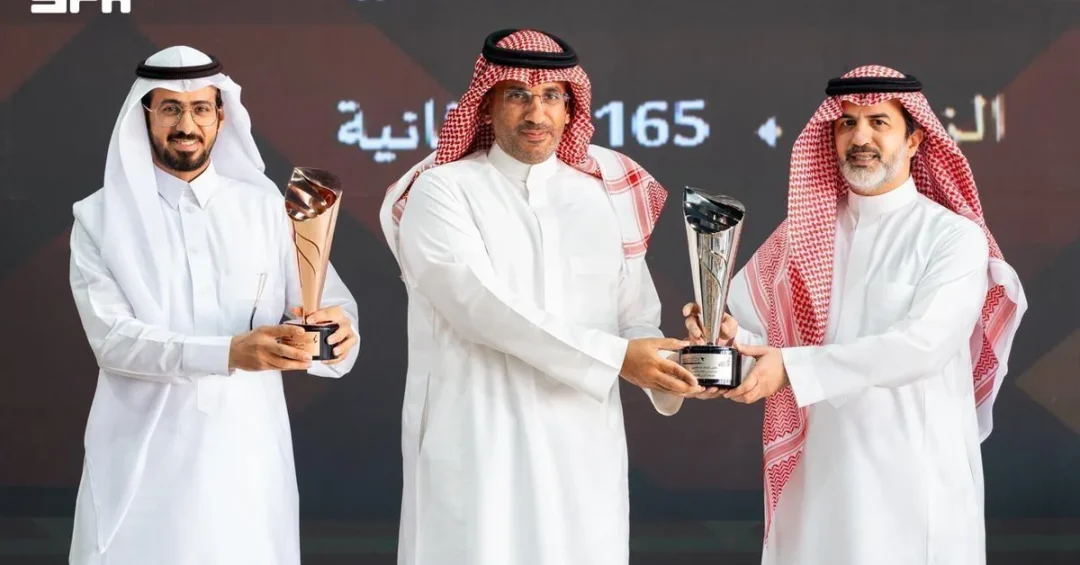
The National Center for Falcons has crowned the winners of 12 King Abdulaziz Cup rounds for local falcon owners during the Milwah competition at the King Abdulaziz Falconry Festival 2026, held at the center’s headquarters in Malham, north of Riyadh. The announcement, made on November 28, 2026, marks a highlight of the world’s largest gathering of falcons, which runs until Monday and brings together local and international falconers to compete for cash prizes and prestigious titles, including the King Abdulaziz Cups, Saif Al-Malik (the King’s Sword), and Shalfa Al-Malik. Have you ever wondered how a tradition dating back centuries continues to captivate the world? The festival not only celebrates cultural heritage but also showcases Saudi Arabia’s commitment to preserving and promoting falconry as a living art.
The King Abdulaziz Falconry Festival, organized annually by the National Center for Falcons, has become a cornerstone of Saudi Arabia’s cultural calendar. This year’s edition features 140 rounds across the Milwah and Mazayen competitions, including two dedicated to the “Falconer of the Future” category, designed to inspire the next generation. The festival’s scale and organization reflect the Kingdom’s broader efforts to elevate traditional sports and heritage under Vision 2030, while also attracting global attention to Saudi Arabia’s rich cultural tapestry. As the event continues, it reinforces the Kingdom’s role as a guardian of falconry and a hub for international cultural exchange.
Context and Background
Why does falconry remain such a vital part of Saudi Arabia’s identity? Falconry, or Al-Qanas, has been practiced in the Arabian Peninsula for thousands of years, serving as both a means of hunting and a symbol of nobility and patience. The King Abdulaziz Falconry Festival was established to honor this legacy, named after the Kingdom’s founder, King Abdulaziz Al Saud, who was himself an avid falconer. The National Center for Falcons, a government body dedicated to the preservation and development of falconry, organizes the event to ensure that this heritage thrives in the modern era. The festival not only provides a platform for competition but also fosters education and awareness about the ecological and cultural importance of falcons.
The 2026 edition, held in Malham, north of Riyadh, has drawn participants from across Saudi Arabia and beyond, underscoring the universal appeal of falconry. The event’s structure includes multiple categories, such as Pure Gyr, Mathlooth Gyr (Gyr hybrid), Gyr-Shaheen, Shaheen (Peregrine), Hur (Saker), and Gyr-Taba’, with separate heats for juvenile (farkh) and adult (qarnas) birds. This diversity ensures that falconers of all levels can compete, from seasoned professionals to amateur enthusiasts. The festival’s continuity until Monday allows for a comprehensive schedule, culminating in the crowning of champions in various rounds. How does such an event contribute to the global understanding of Saudi culture? By inviting international participation and media coverage, it positions Saudi Arabia as a leader in cultural diplomacy and heritage conservation.
Key Details
What exactly happens during the Milwah competition? The Milwah competition, a central feature of the festival, involves falcons flying at high speeds over a designated distance to test their speed and agility. The 12 King Abdulaziz Cup rounds for local falcon owners held on November 28 covered six categories: Pure Gyr, Mathlooth Gyr, Gyr-Shaheen, Shaheen, Hur, and Gyr-Taba’. Each category was further divided into juvenile and adult birds, allowing for fair competition based on age and experience. The winners were crowned by the National Center for Falcons, receiving cash prizes and the honor of lifting the coveted King Abdulaziz Cup. These rounds are part of the larger Milwah competition, which, along with Mazayen (beauty contests for falcons), forms the backbone of the festival.
The festival will conclude tomorrow with 12 additional rounds for local amateur falconers, covering the same categories and age groups, as well as a dedicated heat for the Mongolian Hur (Saker) falcon. This inclusion highlights the festival’s commitment to inclusivity and its recognition of the global falconry community. The Mongolian Hur, a subspecies of the Saker falcon, is renowned for its endurance and hunting prowess, and its dedicated heat adds an international dimension to the competition. The total of 140 rounds across Milwah and Mazayen, including two for the “Falconer of the Future” category, demonstrates the event’s expansive scope. These future falconers, likely young enthusiasts, represent the next generation who will carry forward this ancient tradition. How does the festival ensure fairness and transparency? The National Center for Falcons employs standardized judging criteria and experienced officials to oversee each round, ensuring that results are based on merit and performance.
International and Regional Impact
How does the King Abdulaziz Falconry Festival resonate beyond Saudi Arabia’s borders? The event attracts falconers from around the world, including participants from the Gulf Cooperation Council (GCC) countries, Central Asia, and Europe. This international presence not only elevates the festival’s prestige but also fosters cross-cultural dialogue and exchange. For regional neighbors, the festival serves as a model for heritage preservation and sports tourism, showcasing how traditional practices can be adapted for contemporary audiences. The participation of international falconers also contributes to the global knowledge base on falconry, as experts share techniques and insights. Moreover, the festival’s media coverage, including from the Saudi Press Agency, amplifies its reach, projecting Saudi Arabia’s cultural vitality to a global audience.
On a regional level, the festival reinforces Saudi Arabia’s leadership in the Middle East, particularly in the realm of cultural heritage. By hosting the world’s largest falconry gathering, the Kingdom demonstrates its ability to organize large-scale events that blend tradition with modernity. This aligns with Vision 2030’s goal of promoting cultural tourism and enhancing the Kingdom’s international standing. The festival also provides economic benefits to the local community, from hospitality to retail, as visitors and participants converge on Malham. Furthermore, the event’s emphasis on falcon conservation—through the National Center for Falcons’ initiatives—contributes to global efforts to protect endangered species. Isn’t it remarkable how a single event can bridge past and present, local and global? The King Abdulaziz Falconry Festival exemplifies this synergy, making it a cornerstone of Saudi Arabia’s cultural diplomacy.
Economic and Strategic Significance
What economic impact does the festival have on Saudi Arabia? The King Abdulaziz Falconry Festival generates significant economic activity, from tourism and hospitality to the sale of falconry equipment and related services. Hotels, restaurants, and transportation providers in Riyadh and surrounding areas experience a surge in demand during the event. Additionally, the festival serves as a platform for businesses in the falconry sector, including breeders, trainers, and suppliers of specialized gear, to showcase their products and forge partnerships. The cash prizes awarded to winners, including those in the King Abdulaziz Cup, further stimulate the local economy. Beyond direct spending, the festival enhances Saudi Arabia’s reputation as a destination for cultural tourism, attracting visitors who may extend their stay to explore other attractions in the Kingdom.
Strategically, the festival supports Vision 2030’s objectives by diversifying the economy away from oil and promoting sectors such as tourism, entertainment, and heritage. It also aligns with the Quality of Life Program, which aims to enhance cultural and recreational opportunities for citizens and residents. By investing in events like this, Saudi Arabia showcases its commitment to preserving its heritage while embracing modernization. The National Center for Falcons’ role in organizing the festival underscores the government’s dedication to sustainable development and environmental stewardship, as falcon conservation is closely tied to broader ecological efforts. How does this event contribute to Saudi Arabia’s global image? It presents the Kingdom as a forward-looking nation that values its traditions, thereby attracting positive attention from international media and potential investors. The festival is not just a competition; it is a strategic asset in Saudi Arabia’s cultural and economic diplomacy.
Vision 2030 Alignment
How does the King Abdulaziz Falconry Festival embody the spirit of Vision 2030? Vision 2030 seeks to transform Saudi Arabia into a vibrant society, a thriving economy, and an ambitious nation. The festival directly contributes to the first pillar by celebrating cultural heritage and providing entertainment, thereby enriching the quality of life for citizens and visitors. It also supports the second pillar by stimulating tourism and creating economic opportunities. The National Center for Falcons’ efforts to engage youth through the “Falconer of the Future” category reflect the third pillar’s focus on empowering the next generation. By preserving falconry, Saudi Arabia ensures that a key aspect of its identity remains vibrant and relevant, while also sharing it with the world.
In conclusion, the crowning of local falcon owners in the 12 King Abdulaziz Cup rounds is more than a sporting achievement; it is a testament to Saudi Arabia’s enduring commitment to its heritage and its forward-looking vision. The King Abdulaziz Falconry Festival 2026, with its 140 rounds and international participation, showcases the Kingdom’s ability to blend tradition with modernity, creating a unique cultural experience that resonates globally. As the festival continues until Monday, it will undoubtedly inspire falconers and spectators alike, reinforcing Saudi Arabia’s position as a leader in cultural preservation and a beacon of progress in the region. Can there be any doubt that falconry will continue to soar as a symbol of Saudi pride for generations to come? The answer lies in the passion of its people and the vision of its leaders.
20 Questions
Q1. What is the King Abdulaziz Falconry Festival?
A1. The King Abdulaziz Falconry Festival is the world’s largest gathering of falcons, organized annually by the National Center for Falcons in Malham, north of Riyadh. It features competitions like Milwah and Mazayen, with cash prizes and titles such as the King Abdulaziz Cups.
Q2. When and where was the 2026 edition held?
A2. The 2026 edition is held at the National Center for Falcons’ headquarters in Malham, north of Riyadh, from late November until Monday, November 30, 2026. It brings together local and international falconers.
Q3. How many rounds were crowned for local falcon owners on November 28?
A3. Twelve King Abdulaziz Cup rounds were crowned for local falcon owners in the Milwah competition on November 28, 2026. These rounds covered various categories and age groups.
Q4. What categories were included in the November 28 rounds?
A4. The categories were Pure Gyr, Mathlooth Gyr (Gyr hybrid), Gyr-Shaheen, Shaheen (Peregrine), Hur (Saker), and Gyr-Taba’. Each category had separate heats for juvenile (farkh) and adult (qarnas) birds.
Q5. What is the Milwah competition?
A5. The Milwah competition is a falconry event where falcons are timed as they fly over a set distance, testing their speed and agility. It is a core component of the King Abdulaziz Falconry Festival.
Q6. What is the Mazayen competition?
A6. The Mazayen competition is a beauty contest for falcons, judging them on physical characteristics such as plumage, size, and overall appearance. It runs alongside the Milwah competition at the festival.
Q7. How many total rounds are featured in the 2026 festival?
A7. The festival features 140 rounds across the Milwah and Mazayen competitions, including two dedicated to the “Falconer of the Future” category, which encourages youth participation.
Q8. What are the main titles awarded at the festival?
A8. The main titles include the King Abdulaziz Cups, Saif Al-Malik (the King’s Sword), and Shalfa Al-Malik. These are highly prestigious honors in the world of falconry.
Q9. Who organizes the King Abdulaziz Falconry Festival?
A9. The festival is organized by the National Center for Falcons, a Saudi government body dedicated to the preservation and development of falconry. It operates under the Ministry of Environment, Water and Agriculture.
Q10. What is the significance of the King Abdulaziz Cup?
A10. The King Abdulaziz Cup is named after the Kingdom’s founder, King Abdulaziz Al Saud, and represents excellence in falconry. Winning this cup is a great honor for local falcon owners.
Q11. Will there be more rounds for local falconers after November 28?
A11. Yes, the festival will conclude on Monday with 12 additional rounds for local amateur falconers, covering the same categories and age groups, plus a dedicated heat for the Mongolian Hur (Saker) falcon.
Q12. What is the Mongolian Hur (Saker) falcon heat?
A12. The Mongolian Hur (Saker) falcon heat is a special round dedicated to this subspecies of the Saker falcon, known for its endurance. It adds an international dimension to the festival.
Q13. What is the “Falconer of the Future” category?
A13. The “Falconer of the Future” category is designed for young or aspiring falconers, providing them a platform to compete and learn. It has two dedicated rounds in the 2026 festival.
Q14. How does the festival support Vision 2030?
A14. The festival supports Vision 2030 by preserving cultural heritage, promoting tourism, and enhancing quality of life. It aligns with the Quality of Life Program and economic diversification goals.
Q15. What economic benefits does the festival bring?
A15. The festival boosts local economies through tourism, hospitality, and retail. It also stimulates the falconry industry, including breeding, training, and equipment sales, and attracts international visitors.
Q16. How does the festival promote international cultural exchange?
A16. By inviting international falconers, the festival fosters cross-cultural dialogue and shares falconry techniques. It positions Saudi Arabia as a leader in cultural diplomacy and heritage conservation.
Q17. What is the role of the National Center for Falcons?
A17. The National Center for Falcons organizes the festival, regulates falconry, and works on falcon conservation. It aims to preserve the tradition and ensure its sustainability for future generations.
Q18. Are there cash prizes for the winners?
A18. Yes, winners receive cash prizes along with titles and cups. The prizes are part of the festival’s appeal, attracting top falconers from Saudi Arabia and abroad.
Q19. How long has the King Abdulaziz Falconry Festival been held?
A19. The festival has been held annually for several years, growing in size and prestige. It is now recognized as the world’s largest falconry gathering, honoring the legacy of King Abdulaziz.
Q20. What is the significance of falconry in Saudi culture?
A20. Falconry is a centuries-old tradition in Saudi Arabia, symbolizing nobility, patience, and skill. It remains a cherished heritage, connecting modern Saudis to their ancestors and showcasing the Kingdom’s cultural richness.
Reader Feedback
We value your thoughts. Please share your feedback on this article.
Your feedback helps us improve our coverage.
Related articles
 Winners Crowned in Falconer of the Future at Saudi Falconry Festival
 Al-Ahsa Shines at UNESCO Creative Cities Conference in Morocco
 Saudi Arabia Concludes Successful Participation in Kuwait Book Fair 2026
 KSGAAL, MWL Host World Arabic Language Day in Makkah
 Kadi: Al-Baha’s Fragrant Symbol of Hospitality
 Handicrafts Blend Heritage and Contemporary Creativity at Wasm Hail Event